Why the CIN is harder than a passport
A passport carries a machine-readable zone: two lines of standard characters that repeat the holder's details with check digits. Software can read them reliably and use them to cross-check the rest of the page. The CIN has no such zone, so every field has to be read from the printed text, in Arabic, and the front and back have to be tied together.
What a solid remote check does
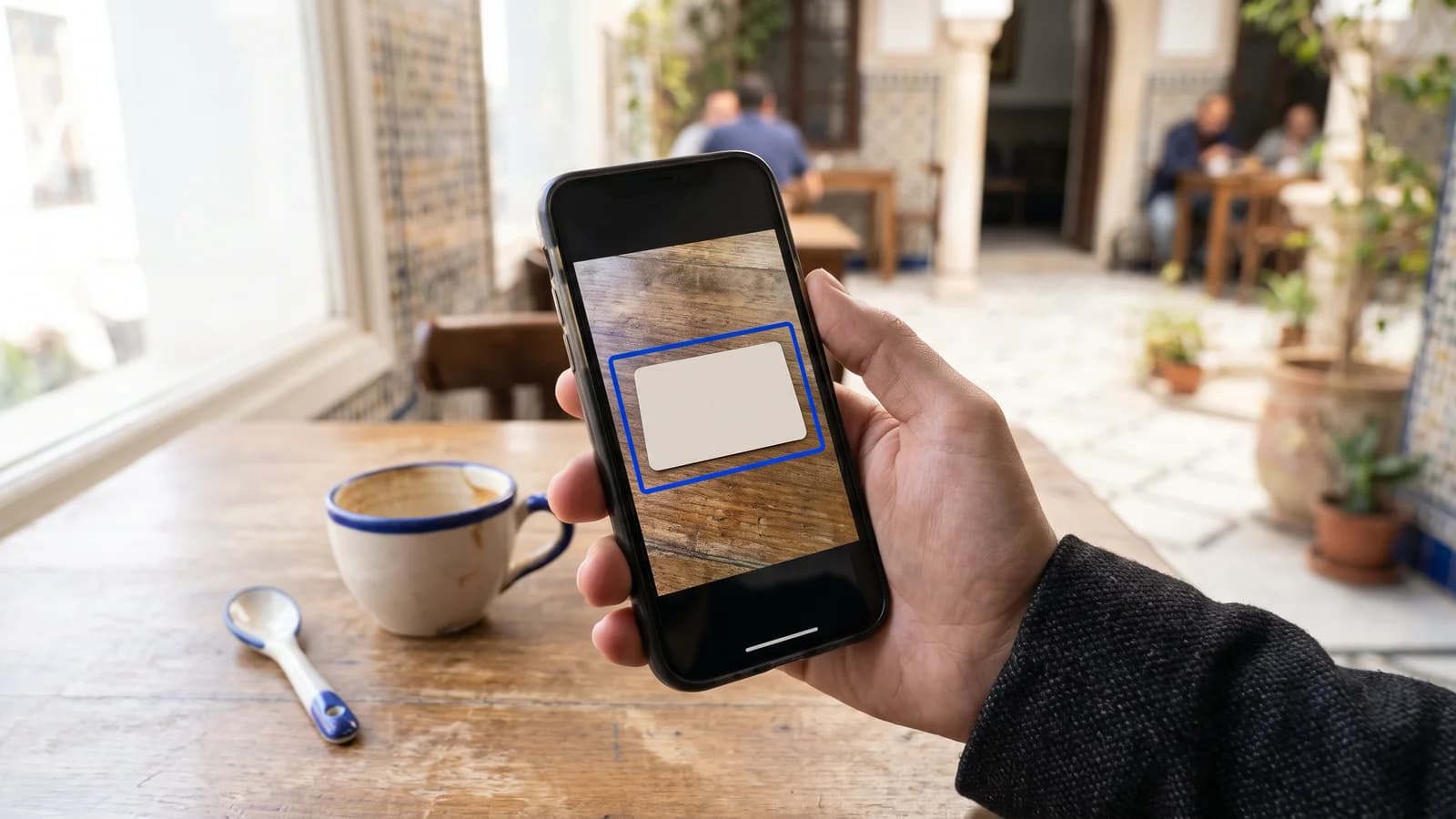
- Capture both sides, in good light, with guidance on screen so the customer retakes a blurred or cropped photo straight away.
- Read the Arabic fields directly (names, date and place of birth, card number) instead of relying on a transliteration.
- Check that the fields make sense together: an eight-digit card number, plausible dates, the same holder on both sides.
- Look for signs of a copy or a screen: glare patterns, moiré, missing edges, a photo of a photo.
- Run a liveness check and compare the selfie with the card photo, with a threshold your risk team can tune.
- Keep the evidence: images, extracted fields, each check's result and the reason for the final decision.
What the regulator expects
In Tunisia, BCT Circular 2025-06 sets the framework for remote onboarding by banks and payment institutions. Our plain-language guide walks through it step by step, including what must be kept for inspections.
How Konnect ID handles it
Konnect ID reads the CIN in Arabic, front and back, and the photo page of any ICAO passport. Each check reports what it found, so a reviewer sees at once why a case was approved or sent to review. It runs in our cloud or on your own servers.